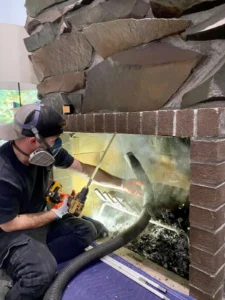
If your home has a fireplace or wood-burning stove, regular chimney maintenance is an important part of keeping the system clean and functioning properly. One of the most common questions homeowners ask is: How often should you sweep a chimney?
For most homeowners, the general recommendation is to have the chimney inspected at least once a year and cleaned whenever there is enough soot, creosote, or other buildup to require cleaning. How often your chimney actually needs sweeping depends on how frequently you use the fireplace, what type of fuel you burn, the condition of the chimney, and how much buildup develops.
For homeowners in Baltimore, Rockville, Gaithersburg, Frederick, Silver Spring, Columbia, Annapolis, and surrounding Maryland communities, this guide explains how often a chimney should be cleaned, when you may need more frequent service, and the signs that your chimney needs attention.
Table of Contents
- How Often Should You Sweep a Chimney?
- Is Annual Chimney Cleaning Necessary?
- How Often Should You Clean a Wood-Burning Chimney?
- What Determines How Often a Chimney Needs Cleaning?
- Signs Your Chimney Needs to Be Swept
- Why Regular Chimney Sweeping Matters
- When Should You Schedule a Chimney Sweep?
- Chimney Sweep vs. Chimney Inspection
- How Often Should a Chimney Be Inspected?
- Chimney Cleaning for Maryland Homeowners
- How to Maintain Your Chimney Between Cleanings
- Frequently Asked Questions
- Final Thoughts
How Often Should You Sweep a Chimney?
For a chimney that is regularly used, annual inspection is a good maintenance practice, while sweeping should be performed when the chimney has enough soot, creosote, or other deposits to require cleaning.
The exact cleaning schedule is different for every home. A homeowner who uses a wood-burning fireplace several times a week may need cleaning more often than someone who only lights a fire a few times each winter.
The type of wood burned, moisture levels in the wood, fireplace design, chimney draft, and condition of the chimney can also affect how quickly deposits accumulate.
The National Fire Protection Association (NFPA) recommends that chimneys, fireplaces, and vents be inspected at least once a year to identify soundness, freedom from deposits, and correct clearances. Cleaning may be necessary when deposits or other conditions could create a hazard.
Is Annual Chimney Cleaning Necessary?
Annual chimney inspection and annual chimney sweeping are not exactly the same thing.
An annual inspection helps determine whether the chimney has accumulated deposits or developed conditions that require attention. If the inspection finds significant soot, creosote, or debris, cleaning may be recommended.
For homeowners who use their fireplace frequently, annual chimney cleaning may be a practical maintenance schedule. However, not every chimney produces the same amount of buildup.
Rather than automatically cleaning based only on the calendar, homeowners should consider fireplace usage and the actual condition of the chimney.
How Often Should You Clean a Wood-Burning Chimney?
Wood-burning fireplaces and stoves generally require more attention because burning wood can produce soot and creosote.
If you regularly use a wood-burning fireplace, having the chimney inspected every year is especially important. Depending on how often you burn wood and how quickly deposits accumulate, professional sweeping may also be needed annually or more frequently.
Homeowners who burn fires only occasionally may not need the chimney swept as often, but an inspection can still help determine whether cleaning is necessary.
Never assume that a chimney is clean simply because you rarely use the fireplace. Leaves, debris, or animal nesting materials can enter an unused chimney.
What Determines How Often a Chimney Needs Cleaning?
Several factors influence how often a chimney should be swept.
1. How Often You Use Your Fireplace
The more frequently you use a fireplace or wood-burning stove, the more combustion byproducts can accumulate inside the chimney.
A fireplace used throughout the winter may require more frequent maintenance than one used only a handful of times.
2. What You Burn
The type and condition of the wood can affect chimney deposits. Properly seasoned firewood generally burns differently from wet or unseasoned wood.
Burning inappropriate materials can also create additional deposits and should be avoided.
3. Creosote Buildup
Creosote is a combustible deposit that can accumulate inside chimneys serving wood-burning appliances.
If an inspection finds significant creosote accumulation, cleaning should not be delayed simply because the chimney was cleaned recently.
4. Chimney Draft
Proper chimney draft helps move smoke and combustion gases through the flue.
Problems with airflow can affect how efficiently the fireplace burns and may contribute to increased deposits under certain conditions.
5. Chimney Condition
A damaged or deteriorated chimney may require more attention than a well-maintained system.
Cracked masonry, damaged liners, water intrusion, missing caps, or other problems should be evaluated separately from routine sweeping.
6. Previous Maintenance
A chimney that has not been cleaned or inspected for many years may have significantly more buildup than one that receives regular maintenance.
If you recently purchased a home and don’t know the chimney’s maintenance history, having it professionally inspected is a smart starting point.
Signs Your Chimney Needs to Be Swept
You don’t always need to wait for your annual maintenance appointment if you notice signs of buildup or a chimney problem.
Common signs that your chimney may need professional attention include:
- Visible soot or dark deposits
- Strong smoky odors when the fireplace is not being used
- Poor fireplace draft
- Smoke entering the room
- Unusual difficulty starting or maintaining a fire
- Large amounts of debris around the fireplace
- Visible creosote inside the chimney
- Animal nesting material or other blockages
- A chimney that has not been cleaned for an extended period
If you notice these signs, a professional chimney inspection can help determine whether sweeping or another service is necessary.
Why Regular Chimney Sweeping Matters
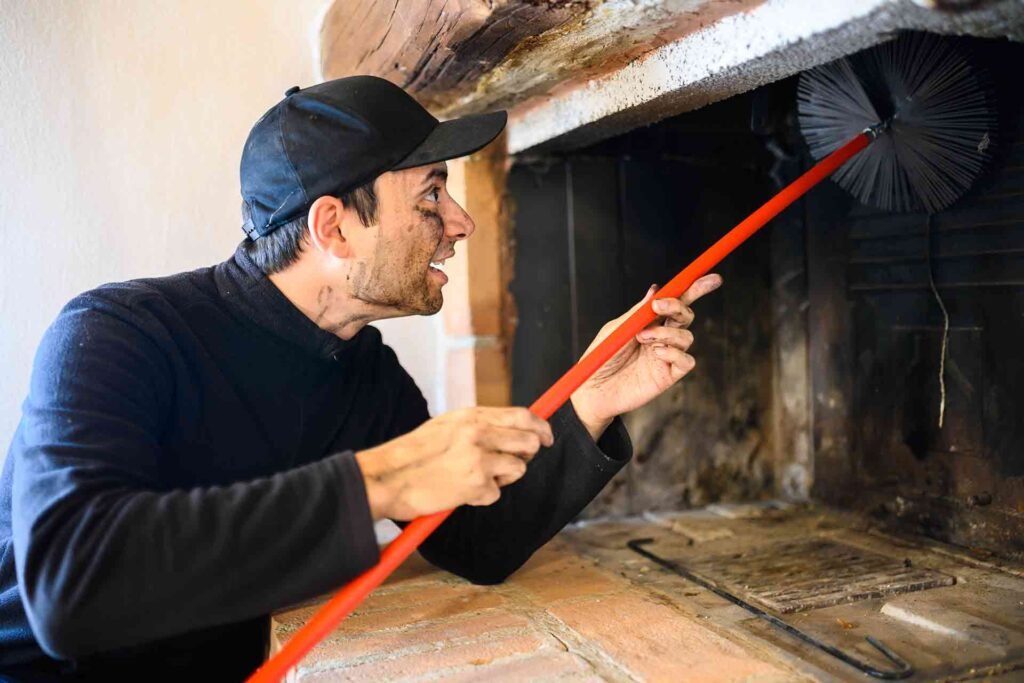
Regular chimney sweeping removes accumulated soot, creosote, and debris from the chimney system.
Keeping the flue free of excessive deposits helps maintain proper airflow and allows smoke and combustion gases to move through the chimney as intended.
Chimney sweeping can also provide an opportunity to identify visible issues that may otherwise go unnoticed, such as excessive buildup, damaged components, or blockages.
The goal isn’t simply to clean the chimney on a fixed schedule. It’s to keep the entire fireplace and chimney system properly maintained.
When Should You Schedule a Chimney Sweep?
For Maryland homeowners, late summer and early fall can be convenient times to schedule chimney maintenance before colder weather arrives.
Chimney companies can become busier as temperatures drop and homeowners begin using their fireplaces again. Scheduling ahead of the winter season can give you time to address cleaning or repair needs before regular fireplace use begins.
If you have recently purchased a home, haven’t used the fireplace for several years, or don’t know when it was last inspected, consider scheduling an inspection before using it.
Chimney Sweep vs. Chimney Inspection
A chimney sweep and a chimney inspection serve different purposes.
| Service | Main Purpose |
|---|---|
| Chimney Sweep | Removes soot, creosote and debris |
| Chimney Inspection | Evaluates the condition of the chimney |
| Chimney Repair | Corrects identified damage |
| Chimney Cap Service | Protects the chimney opening |
| Chimney Liner Service | Repairs or replaces damaged lining |
In many situations, homeowners may benefit from having their chimney inspected and cleaned as needed.
An inspection can help determine whether sweeping is necessary and whether there are other issues that should be addressed.
How Often Should a Chimney Be Inspected?
The NFPA recommends that chimneys, fireplaces, and vents be inspected at least once a year to identify problems such as deposits, damage, or incorrect clearances.
The level of inspection required can depend on the condition of the chimney and the reason for the inspection.
For example, a routine annual evaluation is different from an inspection performed because of a home purchase, appliance change, suspected damage, or other significant change to the fireplace system.
Chimney Cleaning for Maryland Homeowners
Maryland’s changing seasons can expose masonry chimneys to rain, snow, freezing temperatures, and repeated temperature changes.
Homeowners in Baltimore, Rockville, Gaithersburg, Silver Spring, Bethesda, Frederick, Columbia, Annapolis, and surrounding areas should consider chimney maintenance as part of their regular home-care routine.
Older Maryland homes can have masonry chimneys with aging mortar, deteriorated crowns, damaged caps, or older liners. These issues are separate from routine sweeping but can sometimes be identified during a professional chimney evaluation.
If you are unsure when your chimney was last cleaned or inspected, scheduling a professional evaluation can help determine what your system needs.
How to Maintain Your Chimney Between Cleanings
Professional sweeping is only one part of chimney maintenance.
Homeowners can also help protect their chimney by:
- Using properly seasoned firewood
- Having the chimney inspected regularly
- Keeping the chimney cap in good condition
- Watching for damaged or missing mortar
- Checking for signs of water intrusion
- Avoiding burning household trash or inappropriate materials
- Addressing chimney problems when they are first noticed
Good maintenance can help reduce the chance of small problems becoming larger and more expensive repairs.
Frequently Asked Questions About Chimney Cleaning
How often should you sweep a chimney?
There is no single schedule that applies to every chimney. A commonly recommended approach is to have the chimney inspected at least once a year and cleaned whenever deposits such as soot or creosote reach a level that requires removal.
Should I have my chimney cleaned every year?
Many frequently used fireplaces benefit from annual cleaning, but sweeping frequency depends on actual buildup and fireplace usage. An annual inspection can help determine whether cleaning is necessary.
How often should I clean a wood-burning chimney?
A wood-burning chimney should generally be inspected every year. Depending on how frequently you burn wood and how quickly deposits accumulate, the chimney may need to be swept annually or more often.
What happens if you don’t sweep your chimney?
Soot, creosote, and debris can accumulate inside the chimney. Excessive deposits can restrict airflow and create potential safety concerns. Regular inspection and cleaning help identify and address buildup before it becomes a larger problem.
Does an unused chimney need to be cleaned?
An unused chimney may still collect leaves, debris, moisture, or animal nesting material. If you haven’t used the fireplace for a long time, an inspection before using it again can help identify potential blockages or other issues.
Is chimney sweeping the same as a chimney inspection?
No. Sweeping focuses on removing deposits and debris, while an inspection evaluates the condition of the chimney and fireplace system. They can be performed together but serve different purposes.
When is the best time to sweep a chimney in Maryland?
Late summer and early fall can be convenient times because homeowners can address maintenance before the colder months and before fireplace use increases.
How do I know if my chimney needs cleaning?
Visible soot or creosote, unusual odors, poor draft, excessive debris, or a long period without professional maintenance can indicate that your chimney needs attention. A professional evaluation can determine whether sweeping is necessary.
Final Thoughts: How Often Should You Sweep a Chimney?
The best answer to “How often should you sweep a chimney?” depends on your fireplace, how often you use it, what you burn, and the condition of the chimney.
For most homeowners, having the chimney inspected at least once a year is a good maintenance practice. The inspection can help determine whether sweeping is needed based on the amount of soot, creosote, debris, and other conditions inside the chimney.
If you use a wood-burning fireplace regularly, annual sweeping may be appropriate, while occasional users may require cleaning less frequently. However, a chimney that has not been inspected or maintained for several years should not be assumed to be clean.
For homeowners throughout Maryland, including Baltimore, Rockville, Gaithersburg, Frederick, Silver Spring, Columbia, Annapolis, and surrounding communities, regular chimney maintenance can help keep your fireplace system ready for use and identify potential problems early.
If you’re unsure how often your chimney should be cleaned, a professional chimney inspection can help determine the appropriate maintenance schedule for your specific system.