A leaking chimney is a problem that many homeowners don’t notice until water stains appear on the ceiling, moisture collects inside the fireplace, or the chimney starts showing visible signs of deterioration. Even a small leak can lead to bigger problems if the source is not identified and repaired.
So, why is your chimney leaking water?
In most cases, chimney leaks are caused by a damaged chimney crown, missing or broken chimney cap, deteriorating mortar joints, damaged flashing, or porous masonry that allows water to penetrate the chimney structure.
For homeowners in Maryland, chimney water leaks deserve particular attention. Rain, snow, humidity, and freezing winter temperatures can gradually damage chimney materials and make existing cracks worse.
Whether you live in Baltimore, Rockville, Frederick, Gaithersburg, Silver Spring, Annapolis, or another Maryland community, understanding the causes of chimney leaks can help you recognize problems early and choose the right repair.
Quick answer: A chimney can leak water because of a cracked crown, damaged chimney cap, faulty roof flashing, deteriorating brick and mortar, or missing waterproof protection. The correct repair depends on where the water enters. Common solutions include chimney crown repair or replacement, chimney cap installation, flashing repair, masonry restoration, and professional chimney waterproofing.
Table of Contents
- Why Is My Chimney Leaking Water?
- Common Causes of Chimney Leaks
-
- Cracked or Damaged Chimney Crown
-
- Missing or Damaged Chimney Cap
-
- Damaged Chimney Flashing
-
- Cracked Bricks and Deteriorating Mortar
-
- Porous Masonry and Water Absorption
-
- Damaged Chimney Chase Cover
- Signs Your Chimney Is Leaking Water
- What Happens If You Ignore a Chimney Leak?
- How to Fix a Leaking Chimney
- Chimney Crown Repair vs. Replacement
- How Much Does Chimney Leak Repair Cost in Maryland?
- Chimney Waterproofing: Does It Really Work?
- Why Maryland Weather Can Make Chimney Leaks Worse
- Can a Chimney Leak Cause Problems Inside Your Home?
- How to Prevent Future Chimney Water Leaks
- When Should You Schedule a Chimney Inspection?
- How to Choose a Chimney Repair Company in Maryland
- Frequently Asked Questions
- Final Thoughts
Why Is My Chimney Leaking Water?
A chimney is exposed to rain, snow, wind, and changing temperatures throughout the year. Unlike many other parts of your home, it extends above the roofline and is exposed to weather from multiple directions.
Over time, this exposure can cause cracks, gaps, loose mortar, damaged flashing, and other openings that allow water to enter.
The most common reasons for a leaking chimney include:
- Cracked or deteriorating chimney crown
- Missing, damaged, or improperly installed chimney cap
- Loose or damaged chimney flashing
- Cracked bricks and open mortar joints
- Water absorption through porous masonry
- Damaged metal chase cover
- Improper drainage around the chimney
The first step in fixing a chimney leak is identifying exactly where the water is entering. A water stain near the fireplace does not necessarily mean the problem is directly above it. Water can travel through the chimney structure, roof materials, and surrounding building components before becoming visible inside the home.
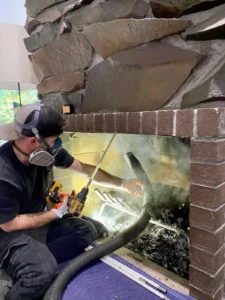
This is why a professional chimney inspection is important before deciding which repair is needed.
Common Causes of Chimney Leaks
There are several areas of a chimney that can allow water to enter. Some problems are easy to identify from visible damage, while others require a closer inspection.
Understanding the most common causes can help homeowners recognize when chimney repair may be necessary.
1. Cracked or Damaged Chimney Crown
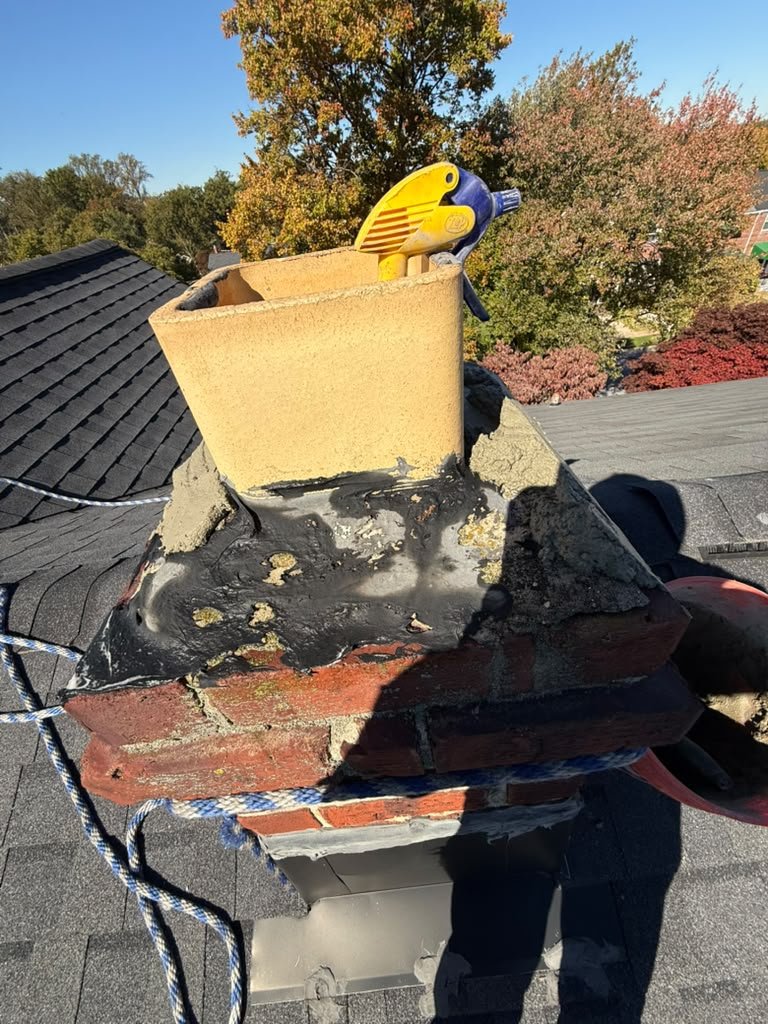
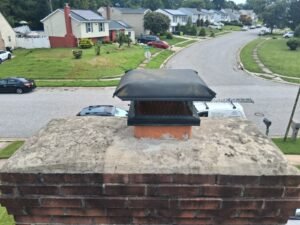
The chimney crown is the concrete or masonry surface at the top of a traditional masonry chimney. Its purpose is to help direct rainwater away from the chimney walls and protect the structure below.
Over time, exposure to weather, temperature changes, and natural material deterioration can cause the crown to crack.
When cracks develop, water can enter the chimney structure and contribute to damage to the bricks, mortar, and other components.
Common signs of chimney crown damage include:
- Visible cracks across the concrete surface
- Pieces of concrete breaking away
- Water stains along the exterior chimney walls
- Deteriorating masonry near the top
- Moisture appearing inside the fireplace
How to fix it: Depending on the condition of the crown, a professional may recommend sealing suitable minor cracks, repairing damaged areas, or completely rebuilding the crown with new concrete. A properly designed replacement crown should help direct water away from the chimney structure.
2. Missing or Damaged Chimney Cap
A chimney cap is installed at the top of the flue to help prevent rain, snow, leaves, debris, and animals from entering the chimney.
Without a properly functioning chimney cap, rainwater can enter directly through the flue opening.
A damaged, rusted, loose, or incorrectly sized chimney cap may also fail to provide adequate protection.
Common signs of a chimney cap problem include:
- Water dripping inside the fireplace after rain
- Rust stains around the fireplace or damper
- A missing or visibly damaged cap
- Debris or leaves inside the chimney
- Birds or other animals entering the flue
How to fix it: A damaged or missing chimney cap may need to be repaired or replaced. A professional can check the existing cap, determine the correct size, and install a suitable replacement.
Chimney caps are available in different materials and designs, including stainless steel and other weather-resistant options.
3. Damaged Chimney Flashing
Chimney flashing is the metal sealing system installed where the chimney meets the roof.
Its purpose is to prevent rainwater from entering the gap between the roof and chimney masonry.
Because this area is exposed to weather and roof movement, flashing can become loose, corroded, separated, or damaged over time.
Common signs of chimney flashing problems include:
- Water stains on ceilings near the chimney
- Moisture appearing in the attic
- Damaged or separated metal flashing
- Water entering during heavy rain
- Deterioration around the roof-to-chimney connection
How to fix it: Depending on the condition, chimney flashing repair may involve resealing appropriate joints, repairing loose sections, or replacing damaged flashing. The repair must create a proper water-shedding connection between the roof and chimney.
In some cases, a roof cricket or saddle may also be needed to help direct water around a wider chimney and prevent water from collecting behind it.
4. Cracked Bricks and Deteriorating Mortar
Brick chimneys are constantly exposed to rain, humidity, and temperature changes.
Over time, mortar joints can become weak, crack, or deteriorate. Bricks can also absorb moisture and begin to crack, flake, or break apart.
This is particularly important in Maryland, where freezing temperatures during winter can cause absorbed water to expand inside masonry materials.
Common signs of masonry-related chimney leaks include:
- Cracked or loose bricks
- Missing or deteriorated mortar
- White powdery stains on the chimney
- Water streaks along the brick surface
- Pieces of brick or mortar falling away
How to fix it: Depending on the damage, chimney masonry repair may include tuckpointing, repointing, replacing damaged bricks, or rebuilding sections of the chimney.
Tuckpointing involves removing deteriorated mortar from the joints and replacing it with suitable new mortar. This helps restore the masonry joints and reduce openings where water can enter.
5. Porous Masonry and Water Absorption
Not every chimney leak comes from a visible crack or missing component.
Brick and mortar are naturally porous materials. As they age, they can absorb moisture from rain and snow, allowing water to move through the masonry.
This is sometimes called water penetration or masonry absorption.
Homeowners may notice:
- Damp or discolored bricks
- White mineral deposits on the masonry
- Water stains inside the fireplace
- Deteriorating mortar joints
- Moisture appearing after prolonged rain
How to fix it: Once existing cracks and damaged masonry have been repaired, a suitable vapor-permeable chimney waterproofing product may help reduce water absorption.
It is important to use a product specifically designed for masonry chimneys. Ordinary paint or non-breathable coatings can trap moisture inside the masonry and contribute to further deterioration.
6. Damaged Chimney Chase Cover
Not every chimney has a traditional brick crown.
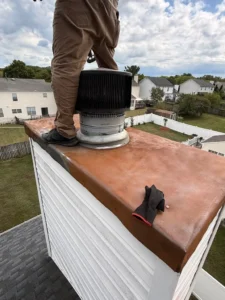
Some homes have factory-built chimney systems surrounded by a framed exterior structure called a chimney chase. The top is typically protected by a metal chase cover.
If the chase cover becomes rusted, damaged, improperly fitted, or develops openings around its seams, water can enter the chase.
Common signs include:
- Rust stains on the exterior metal
- Water stains inside the home near the chimney
- Visible corrosion
- Standing water on the chase cover
- Deterioration around seams or openings
How to fix it: Depending on the condition, the chase cover may need repair or complete replacement. A properly fitted replacement should provide suitable drainage and protection against water entering the structure.
Signs Your Chimney Is Leaking Water
Sometimes a chimney leak is obvious. Other times, the first signs appear inside the home long before the exterior damage becomes noticeable.
Knowing what to look for can help homeowners address the problem earlier.
Here are some common warning signs of a leaking chimney:
| Warning Sign | Possible Cause |
|---|---|
| Water inside the fireplace | Damaged cap, crown, or another opening |
| Water stains on the ceiling | Flashing or roof-related leak |
| White stains on chimney bricks | Moisture moving through masonry |
| Rust around the damper | Water entering the chimney |
| Cracked or crumbling mortar | Masonry deterioration |
| Damp or musty fireplace smell | Possible moisture intrusion |
| Water streaks on exterior bricks | Crown, mortar, or masonry problems |
| Rusted metal chase cover | Damaged chase protection |
These signs can help identify a potential problem, but they do not always reveal the exact source.
For example, a ceiling stain beside a chimney could be caused by damaged flashing, a roof leak farther uphill, or water traveling through another building component.
A professional inspection can help determine the actual source before repair work begins.
What Happens If You Ignore a Chimney Leak?
A small chimney leak may not seem like an urgent problem, especially if you only notice a little moisture after heavy rain.
However, continued water exposure can gradually damage the chimney and surrounding building materials.
Some potential consequences include:
Masonry Deterioration
Water can enter brick and mortar, gradually weakening the masonry. During colder months, freezing and thawing can make existing damage worse.
Chimney Crown Damage
Small cracks can expand over time, allowing more water to enter and potentially requiring more extensive crown repair or replacement.
Rust and Metal Corrosion
Moisture inside the chimney can cause metal components, including dampers and other fireplace parts, to rust and deteriorate.
Interior Water Damage
Water may reach nearby drywall, ceilings, insulation, framing, or other building materials.
More Expensive Repairs
A leak that initially requires a relatively small repair may eventually involve multiple chimney components if the underlying problem is ignored.
Addressing chimney water leaks early can help reduce the chance of more extensive repairs.
How to Fix a Leaking Chimney
The correct repair depends on where the water is entering and how much damage has already occurred.
There is no single solution that fixes every chimney leak. Applying sealant to the wrong area, for example, may not stop the water from entering somewhere else.
Here are some of the most common chimney leak repair solutions.
Chimney Crown Repair and Replacement
If the crown is cracked or deteriorating, a chimney professional may recommend repairing the damaged area or rebuilding the crown with new concrete.
A properly constructed crown helps direct water away from the chimney masonry.
Chimney Cap Repair and Installation
If the chimney cap is missing, damaged, or rusted, installing a properly sized replacement can help protect the flue opening from rain and debris.
Chimney Flashing Repair
If water enters around the roof-to-chimney connection, the flashing may need to be repaired or replaced.
This repair helps restore the seal between the roofing materials and chimney structure.
Chimney Tuckpointing and Masonry Repair
If the mortar joints are deteriorating or bricks are damaged, masonry repairs may be necessary.
This can include removing old mortar, applying new mortar, replacing damaged bricks, and restoring affected sections.
Chimney Waterproofing
After existing damage has been repaired, a suitable breathable waterproofing treatment may help protect porous masonry from future moisture penetration.
The product should allow water vapor to escape while helping limit liquid water absorption.
Chimney Crown Repair vs. Replacement
One of the most common questions homeowners ask is whether a damaged chimney crown can be repaired or needs to be completely replaced.
The answer depends on the extent of the damage.
| Chimney Condition | Possible Solution |
|---|---|
| Minor surface cracks | Appropriate crown repair |
| Small damaged areas | Localized concrete repair |
| Multiple large cracks | Crown replacement may be recommended |
| Crumbling or missing concrete | New crown installation |
| Poor original crown design | Rebuilding with proper drainage details |
A professional chimney inspection can help determine whether the existing crown is suitable for repair or whether replacement is the better long-term option.
When a new crown is installed, proper slope, overhang, and separation from the flue liner are important details to consider.
How Much Does Chimney Leak Repair Cost in Maryland?
The cost of chimney leak repair in Maryland depends on the source of the leak, the amount of damage, the materials needed, and how accessible the chimney is.
A simple chimney cap replacement may cost considerably less than rebuilding a damaged chimney crown or repairing extensive masonry.
Below are general planning ranges for common chimney water leak repairs.
Typical Chimney Leak Repair Costs
| Repair Service | Estimated Cost Range |
|---|---|
| Chimney cap replacement | $150–$800 |
| Minor chimney crown repair | $200–$600 |
| Chimney crown replacement | $400–$1,500+ |
| Chimney flashing repair | $300–$1,500 |
| Chimney tuckpointing | $500–$2,500 |
| Chimney waterproofing | $200–$800 |
| Chimney masonry repair | $300–$2,500+ |
| Chimney chase cover replacement | $300–$1,200+ |
These are broad planning estimates, not verified Maryland contractor averages or guaranteed quotes. Actual prices vary by chimney size, material, accessibility, labor, damage, and project scope. Larger or more extensive repairs may cost more.
What Affects the Cost of Chimney Leak Repair?
Several factors can influence the final price.
1. Location of the Leak
A damaged chimney cap, crown, or flashing may require very different repair methods and materials.
2. Extent of the Damage
A small crack may require a relatively simple repair, while extensive masonry deterioration may require rebuilding larger sections of the chimney.
3. Chimney Height and Accessibility
Tall chimneys, steep roofs, and difficult access can increase labor requirements.
4. Materials Used
Concrete, stainless steel, flashing materials, mortar, and specialized waterproofing products all affect the total cost.
5. Additional Repairs
Sometimes the original leak has already damaged other parts of the chimney or surrounding roof structure. These additional problems may need to be addressed as part of the project.
For an accurate estimate, homeowners should have the chimney inspected and request a written explanation of the recommended repairs.
Chimney Waterproofing: Does It Really Work?
Yes, chimney waterproofing can be an effective part of protecting masonry from moisture, but it is important to understand what it can and cannot do.
A suitable masonry waterproofing treatment helps reduce the amount of liquid water absorbed by brick and mortar while allowing water vapor to escape.
This is important because masonry needs to dry properly.
A breathable waterproofing product can help protect the exterior chimney structure from rain and moisture exposure.
However, chimney waterproofing is not a substitute for repairing existing damage.
If your chimney has a cracked crown, missing mortar, damaged flashing, or a missing cap, those problems should be addressed first.
Applying a waterproofing product over damaged masonry will not correct structural openings or faulty roof connections.
Why Maryland Weather Can Make Chimney Leaks Worse
Maryland homeowners experience a combination of rain, humidity, snow, and freezing temperatures throughout the year.
These changing weather conditions can place significant stress on chimney masonry and other exterior components.
Rain and Heavy Storms
Frequent rainfall can expose weak points in chimney crowns, flashing, caps, and mortar joints.
Freeze-Thaw Cycles
When water enters small cracks in masonry and temperatures drop below freezing, the water can expand and contribute to further cracking and deterioration.
Humidity and Moisture
Long periods of moisture exposure can encourage deterioration of mortar joints and increase water absorption in porous masonry.
Snow and Ice
Snow accumulation and melting can expose existing openings and contribute to water intrusion around the chimney and roof.
For these reasons, regular chimney inspections and preventative maintenance are particularly important for homeowners throughout Maryland.
Can a Chimney Leak Cause Problems Inside Your Home?
Yes. Water entering through a chimney can travel into areas that homeowners may not immediately associate with the chimney itself.
Depending on the location of the leak, moisture may affect:
- Fireplace and firebox components
- Chimney walls and interior masonry
- Nearby drywall and ceilings
- Attic insulation
- Roof decking
- Wooden framing
- Metal dampers and fireplace components
Water damage may also create conditions that support mold growth when materials remain damp.
If you notice water entering the fireplace, persistent dampness, or damage around the chimney, arrange a professional inspection before using the fireplace again if the condition could affect the flue or connected system.
How to Prevent Future Chimney Water Leaks
Although no chimney can be completely protected from weather exposure, regular maintenance can help reduce the likelihood of water-related damage.
Here are some important preventative steps:
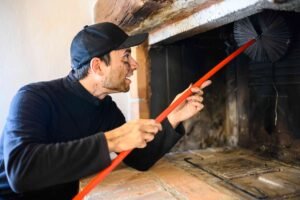
1. Schedule Regular Chimney Inspections
An annual inspection can help identify cracks, damaged components, and other problems before they become more extensive.
2. Keep Your Chimney Cap in Good Condition
Make sure the chimney has an appropriate cap and that it is securely installed and free from significant damage.
3. Repair Cracks in the Chimney Crown
Do not ignore visible cracks or deteriorating concrete at the top of the chimney.
4. Maintain Mortar Joints and Brickwork
Damaged mortar and loose bricks should be evaluated and repaired when necessary.
5. Check the Chimney Flashing
The metal flashing around the chimney should be properly installed and maintained to help prevent water from entering the roof connection.
6. Consider Professional Chimney Waterproofing
If your masonry is in suitable condition, a breathable waterproofing treatment may provide additional protection against moisture absorption.
Preventative maintenance can help extend the life of your chimney and reduce the risk of expensive water-related repairs.
When Should You Schedule a Chimney Inspection?
You should consider scheduling a professional chimney inspection if you notice:
- Water dripping inside the fireplace
- Brown or yellow stains around the chimney
- Cracked chimney crown
- Loose or missing chimney cap
- Damaged mortar joints
- White deposits on exterior bricks
- Rust around the damper or fireplace
- Water stains on ceilings near the chimney
A chimney inspection can help identify the source of the moisture and determine which repair is appropriate.
Depending on the circumstances, a Level 1 inspection may be sufficient, while a Level 2 inspection may be appropriate when a more detailed evaluation is needed.
If the inspection identifies water-related damage, the technician may recommend chimney crown repair, flashing repair, masonry work, cap replacement, or waterproofing.
How to Choose a Chimney Repair Company in Maryland
Choosing the right contractor is important when dealing with a leaking chimney.
The quality of the repair matters because an incorrect or incomplete repair may allow water to continue entering the structure.
Before hiring a chimney repair company, consider the following:
Experience With Chimney Water Leak Repairs
Look for a company that regularly handles chimney crown repair, flashing repair, masonry restoration, and chimney waterproofing.
Proper Inspection Before Repair
The contractor should identify the likely source of the leak before recommending a repair.
Clear Written Estimates
Ask for a written estimate that explains the work, materials, and expected costs.
Appropriate Materials
Chimney repairs should use materials suitable for the specific chimney construction and exposure conditions.
Photos and Documentation
Before-and-after photographs can help you understand the condition of the chimney and the work completed.
Proper Insurance and Credentials
Ask about the company’s insurance, qualifications, and any relevant local licensing requirements.
A reliable chimney repair company should be able to explain the problem clearly and recommend a repair that addresses the actual source of the leak.
Frequently Asked Questions About Chimney Leaks
Why is my chimney leaking water when it rains?
A chimney may leak during rain because of a cracked crown, missing or damaged chimney cap, faulty flashing, deteriorating mortar, or porous masonry. The exact cause depends on where the water enters and how it travels through the structure.
How do I stop my chimney from leaking?
The first step is identifying the source of the leak. Depending on the problem, you may need chimney crown repair, chimney cap replacement, flashing repair, masonry restoration, or waterproofing. Applying sealant without identifying the cause may not solve the problem.
Can a cracked chimney crown cause water leaks?
Yes. The chimney crown helps direct rainwater away from the masonry. When it cracks or deteriorates, water can enter the chimney structure and contribute to damage to the bricks and mortar.
Can rain come down my chimney?
Yes. If a chimney cap is missing or damaged, rain can enter through the flue opening. A properly fitted chimney cap helps protect the opening from rain, snow, debris, and animals.
How much does it cost to repair a leaking chimney in Maryland?
The cost depends on the source and extent of the damage. Minor repairs may cost a few hundred dollars, while extensive crown, flashing, or masonry repairs can cost considerably more. A professional inspection is the best way to determine the repair needed and obtain an accurate estimate.
Does chimney waterproofing stop leaks?
A suitable breathable waterproofing product can help reduce moisture absorption through porous masonry. However, it will not repair a cracked crown, missing mortar, damaged flashing, or other structural openings. Existing damage should be repaired before waterproofing.
Why is there water inside my fireplace?
Water inside a fireplace may be caused by a missing chimney cap, damaged crown, or another opening that allows rain to enter. It may also result from water traveling through other parts of the chimney structure. A professional inspection can help identify the source.
Can a chimney leak damage my roof?
Yes. Water entering around damaged chimney flashing or other openings can affect roof decking, insulation, framing, and nearby interior materials. Addressing the leak early can help prevent more extensive damage.
Should I replace my chimney crown if it has cracks?
Not necessarily. Some crowns can be repaired, while others are too deteriorated or poorly constructed to provide reliable protection. A professional evaluation can help determine whether repair or complete replacement is the better option.
How often should a chimney be inspected for water damage?
An annual chimney inspection is a good maintenance practice. You should also arrange an inspection if you notice water stains, damaged masonry, a cracked crown, or other signs of moisture intrusion.
Can a chimney leak cause mold?
Persistent moisture can create conditions that support mold growth on nearby damp materials, including drywall, insulation, and wood. If you notice ongoing dampness or musty odors, the water source should be identified and addressed.
Final Thoughts: Don’t Ignore a Leaking Chimney
A leaking chimney is more than just an inconvenience. Over time, water can damage the chimney crown, brickwork, mortar joints, flashing, fireplace components, and even parts of your home’s roof structure.
The most important step is identifying where the water is entering before choosing a repair.
Whether the problem requires chimney crown repair, chimney cap replacement, chimney flashing repair, masonry restoration, or professional chimney waterproofing, addressing the issue early can help protect your home and avoid more extensive repairs.
For homeowners throughout Maryland, regular chimney inspections and preventative maintenance are especially important because of the region’s rain, humidity, snow, and freezing winter temperatures.
If you notice water inside your fireplace, stains around your chimney, cracked masonry, or a damaged chimney crown, consider scheduling a professional chimney inspection.
Green Safe provides chimney inspection, chimney repair, chimney crown repair, chimney cap installation, masonry repair, and chimney waterproofing services throughout Maryland, including Baltimore, Rockville, Frederick, Gaithersburg, Silver Spring, Bethesda, Columbia, Annapolis, and surrounding communities.
Taking care of a chimney leak today can help prevent a much bigger repair tomorrow.